
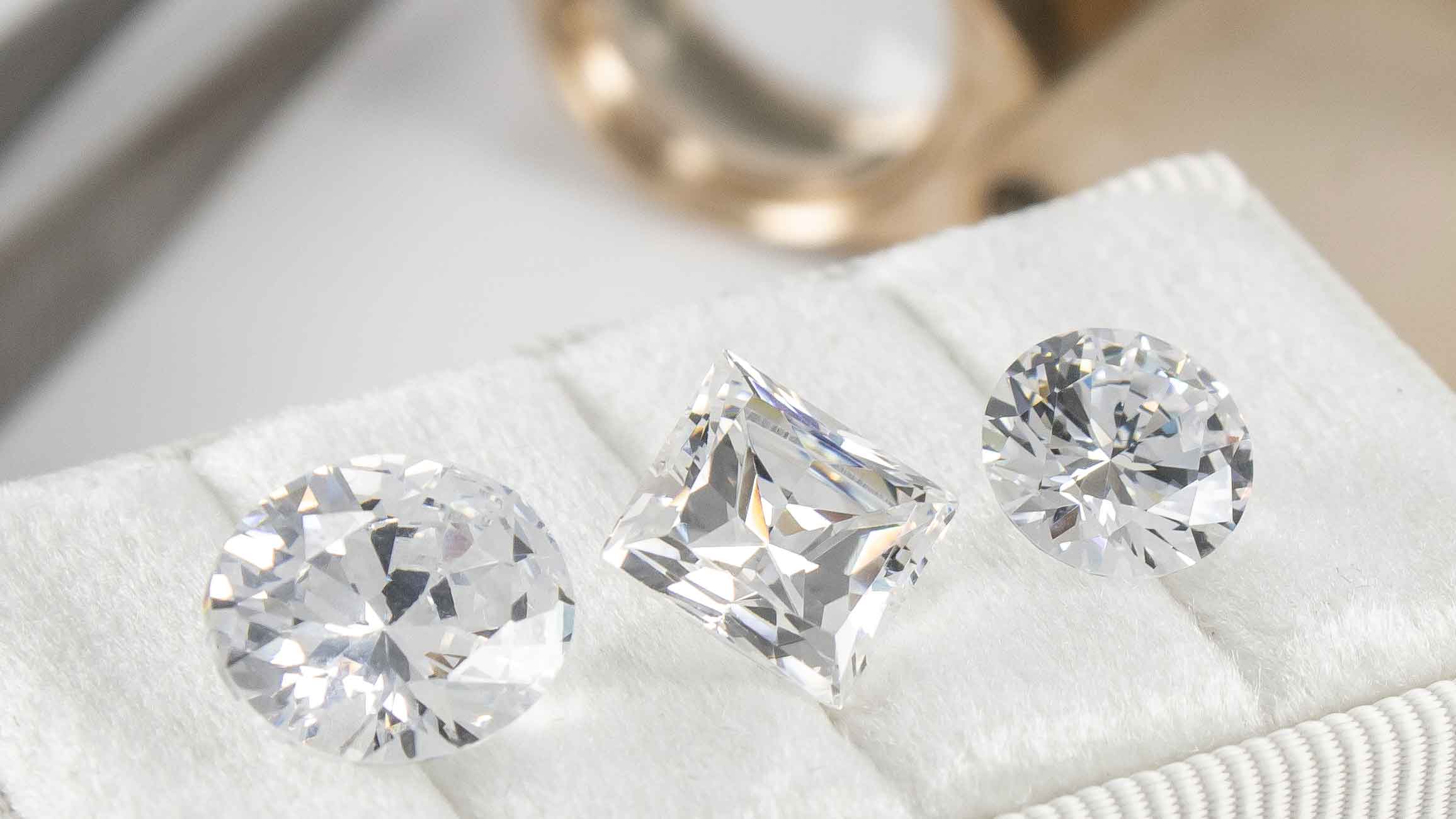
Beauty lives in small things. Rings made of white gold hold stories – of promises, moments, life shifts. A sparkle catches light, then attention, then memory. Instead of tradition alone, choice now shapes what people wear. Lab grown diamonds shine just like those pulled from deep earth. Money stretches further without losing glow. Making them does less harm to forests, rivers, habitats. Craft meets conscience here. Some pick them for cost. Others because the planet matters. The ring stays classic even when origins change. Light bounces off facets regardless of where it began.
A closer look at white gold diamond ring shows their growing charm among shoppers today. Lab-grown stones bring new options without old drawbacks. Their rise ties closely to changing tastes and updated values. One reason stands out: clarity meets strength in fresh ways. Style shifts follow where trust lands now. A ring might speak softly but still carry weight. Materials behave differently when purpose changes. Buyers notice how things fit life, not just photos. What feels right often wins over what seems rare.
White Gold Explained?
A shiny choice for rings and necklaces, white gold shows up often in stores. Yellow right from the earth, real gold bends too easily for regular wear. Mixed with elements like palladium or sometimes nickel, its blend shifts into something tougher. The new mixture stands stronger, carrying a cool light-gray hue instead.
A shiny layer of rhodium often covers white gold pieces, boosting how bright they appear while helping them last longer. Starting life with a slick, mirror finish, these rings handle scrapes and discoloration much better thanks to the coating.
White gold is commonly available in different purity levels such as:
- 14K white gold – 58.5% pure gold
- Gold at eighteen karats, colored white, holds three quarters of its weight in pure gold
With these options, picking either stronger material or more gold becomes a personal decision. What matters most shapes what people select. Some value how long it lasts, others care about richness in metal. Choice shifts based on individual priorities. The range simply answers different needs. One size never fits all here.
Surprisingly bright, white gold lifts diamond brilliance without stealing attention. Its subtle shade sits quietly behind the gem, letting light do the talking instead.
Understanding Man-Made Diamonds
From a lab instead of a mine, human-made diamonds are genuine stones grown by science. Though built in rooms with machines, their makeup matches what comes from deep underground. These sparklers act just like earth-born ones when tested for hardness or light play. Not dug up but made, yet still classed as true diamond by experts worldwide.
Deep underground, natural diamonds take shape over time – scientists now mimic those intense pressures and heat in labs.
One way works like this – another follows close behind. Each method moves differently through the steps
1. High Pressure High Temperature
Heat plus immense pressure reshape carbon, mirroring how it forms deep within Earth.
2. Chemical Vapor Deposition CVD
A single spark kicks things off, heating gas heavy with carbon inside a tight space. Slowly, those carbon pieces line up, forming what becomes a diamond. The process takes time, but the result grows layer by layer, steady and silent.
A lab-created stone looks just like one pulled from the earth, down to its inner structure. To tell them apart, experts need tools most people never see.
Man Made Diamonds Offer Alternative To Natural Stones
The rising popularity of man made diamonds is driven by several important advantages.
1. Ethical Sourcing
It’s no secret that digging up natural diamonds sometimes means shady work conditions or stones tied to violence. Yet when diamonds grow in labs, oversight stays tight, sources stay clear. Hidden corners disappear under bright lights where every step shows.
2. Environmental Impact
Buried deep, diamond digging tears up land and guzzles water. Lab-grown stones skip the mess entirely – no earth moved, no rivers tapped.
3. Affordability
A good deal smaller price tag comes with lab-made diamonds – around a third to almost half less than natural ones that look just as nice. Because of that gap, shoppers often find room to step up in size or clarity without stretching their wallet.
4. Same Beauty and Durability
Fake stones hit a ten on the scratch test – same as real ones found underground. Brightness? Just as sharp, just as lively, matching nature’s flash under light.
White Gold Works With Lab Diamonds
Starting off strong, white gold stands out when set beside lab-grown diamonds, boosting their clean sparkle. A cool shimmer ties it together, letting the gem’s brightness take center stage without distraction.
This mix works for a bunch of different reasons.
Enhanced Sparkle
Shimmering under the light, white gold’s polished finish boosts how much sparkle a diamond gives off. Because of this, the gem looks especially lively.
Modern Aesthetic
Starting off cool, white gold brings a fresh vibe fitting today’s styles. Paired with diamonds made in labs, the result feels sharp, almost like tomorrow arrived early.
Durability
Starting with durability, white gold keeps diamonds firmly set over time. Because of this, it works well for everyday jewelry like engagement bands.
White Gold Diamond Ring Styles
A ring made from white gold might hold lab-grown stones in countless ways. You’ll often see these: spiral bands with tiny bright dots lined up like stars, smooth loops that catch light on one edge only, open circles where gems hang just above the metal, square frames holding a single stone lifted high, clusters shaped like flowers but sharper, twisted wires cradling rows of sparkle down the band, oval centers surrounded by smaller ones like ripples, geometric cages locking each gem in place, slim curves dotted so close they blur into glow, plus offset stones balanced on tilted platforms
Solitaire Rings
A lone diamond sits atop a pale gold loop. Beauty shines through simplicity here. The cut catches light, sparkles follow. White metal frames everything quietly.
Halo Rings
A single gem sits at the middle of a halo setting, with tiny stones circling it closely. This circle adds more shine while giving the illusion of a bigger main diamond. Light bounces off every small surface, drawing attention outward. The effect makes the centerpiece seem grander than it really is.
Three-Stone Rings
A story unfolds across time when you look at these rings. One diamond rests behind two others, each holding its own place along the band.
Pavé Rings
Pieces like pavé rings hold tiny diamonds close together across the band. Light dances without pause because of how they’re set. A steady sparkle shows up wherever it catches the eye.
Vintage-Inspired Rings
Filigree swirls twist through some of these bands, while others trace their borders with tiny milgrain beads – each one whispering old-world charm. A soft glow clings to every curve, like sunlight caught in forgotten heirlooms.
White gold diamond rings engagement
A promise often wears silver light, where diamonds catch the eye without shouting. White gold wraps around such moments softly, cool against skin. This kind of ring does not fade from view even when trends shift fast. Many pick it – not by accident – but because clarity meets strength in quiet balance.
These days, many partners pick created diamonds since they fit well with current ideas about eco care, fair choices, and lower cost. Because of lab-made gems, pairs get room to explore bigger pieces or detailed styles while staying within planned spending.
Caring for a White Gold Diamond Ring
A well-kept white gold diamond ring can stay beautiful through the years. Its shine lasts longer when looked after with regular attention. The metal resists wear if cleaned gently now and then. Over time, small efforts add up to big differences. Even daily habits play a role in how it holds up. Protection from harsh contact keeps details sharp. Occasional checkups prevent tiny issues becoming serious. Long-term charm depends on consistent, quiet effort.
Here are a few important maintenance tips:
- A little soap, some warm water – grab a soft brush and wipe away grime. Dirt lifts out easily when you go slow. Oils fade under gentle strokes. Keep it simple each time.
- Few cleaning products on shelves play well with jewelry. Chlorine sneaks in, weakening metal bonds over time. Some detergents eat away at finishes without warning. A quiet reaction might shift a stone loose one day. Even common sprays carry hidden risks beneath their scent.
- A fresh coat of rhodium can bring back the shine when the original layer fades. Rings lose their luster gradually, yet a re-dip now and then keeps them looking crisp. Time chips away at the surface, but periodic treatment fixes that. Instead of replacing jewelry, many choose this refresh to maintain its glow.
- A small case works well for keeping the ring safe. Inside a fabric-lined container helps avoid surface marks. A tucked-away spot means less chance of bumps. Soft material around it makes daily storage smoother.
A solid setting holds firm when checked by someone who knows what they’re doing.


