
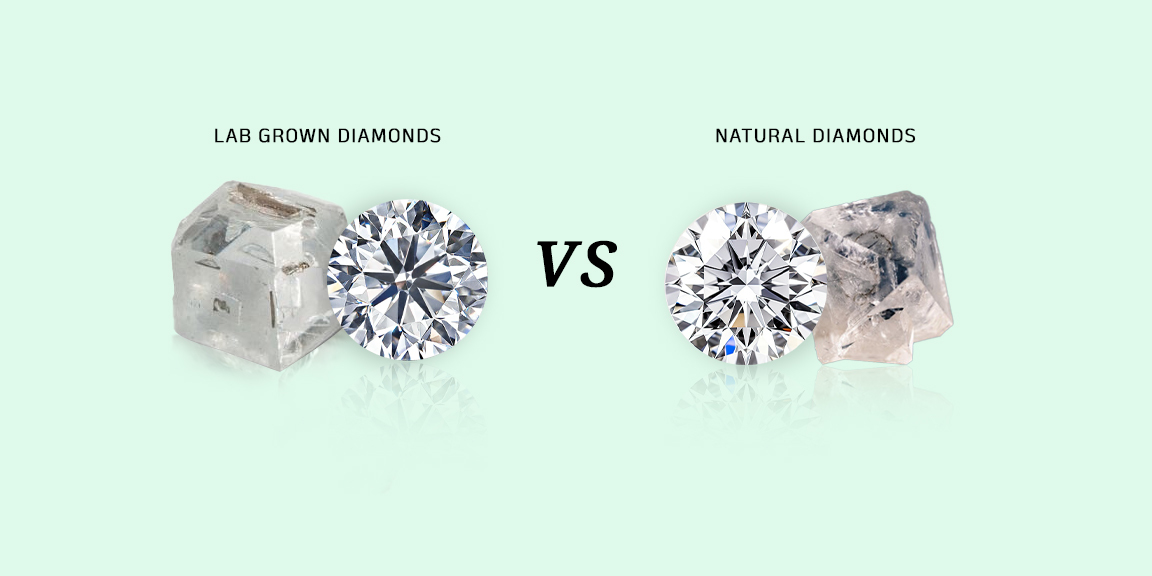
Choosing a diamond is a momentous decision, often tied to celebrations like engagements, weddings, or special gifts. Today, the choice between lab-grown diamonds vs real mined diamonds is a hot topic. Alongside this, man made diamonds are becoming an increasingly popular alternative that combines beauty, ethics, and affordability. This article explores the key differences between lab-grown and real diamonds, and why man made diamonds are reshaping the jewelry market.
What Are Lab-Grown Diamonds?
Man made diamonds, also called lab-grown diamonds, are diamonds created in laboratories using advanced technological processes like Chemical Vapor Deposition (CVD) or High Pressure High Temperature (HPHT). These diamonds have the exact chemical, physical, and optical properties as mined diamonds. The key difference lies in their origin: while mined diamonds form naturally over millions of years deep within the earth, lab-grown diamonds are cultivated in a matter of weeks or months.
Understanding Real Diamonds
Real diamonds refer to those mined from the earth, traditionally the only source for diamond jewelry for centuries. These diamonds have a unique geological history, formed under extreme heat and pressure. Natural diamonds are highly prized for their rarity, durability, and timeless appeal. However, their mining can involve significant environmental impact and ethical concerns such as labor practices and ecological damage.
Comparing Lab-Grown Diamonds vs Real Diamonds
When comparing lab-grown diamonds vs real, the differences are mostly about origin, price, and environmental impact. Visually and chemically, lab-grown diamonds are indistinguishable from real diamonds. Both score a 10 on the Mohs hardness scale and exhibit the same brilliance and fire. Because man made diamonds are created under controlled conditions, they often have fewer impurities and can be produced to meet exact specifications.
One of the most significant differences is cost. Lab-grown diamonds generally cost 30-50% less than mined diamonds of similar size and quality. This affordability has made man made diamonds a favorite choice for budget-conscious buyers who want genuine diamonds without paying the premium for rarity.
Environmental and Ethical Advantages of Man Made Diamonds
The debate over lab-grown diamonds vs real also involves ethics and sustainability. Mining natural diamonds is associated with environmental disruption, including habitat destruction and carbon emissions. Additionally, concerns about “conflict diamonds” have historically shadowed the diamond trade.
Man made diamonds offer a more sustainable and ethical alternative. Produced in labs, these diamonds require less energy and do not involve harmful mining practices. Consumers increasingly favor lab-grown diamonds for their lower environmental footprint and assured conflict-free origin. Choosing man made diamonds means supporting a transparent, responsible industry.
Quality and Certification
Both lab-grown diamonds vs real diamonds are graded on the same 4Cs: cut, color, clarity, and carat weight. Leading gemological institutes such as GIA and IGI provide certifications for lab-grown diamonds, offering buyers confidence in quality and authenticity.
Because man made diamonds can be engineered with fewer flaws, they often come with higher clarity grades. This precision also allows buyers to customize diamonds to their preferred specifications, making lab-grown stones highly attractive for personalized jewelry.
Market Trends and Consumer Acceptance
The market for man made diamonds is rapidly expanding. As consumers become more informed about the benefits of lab-grown stones, acceptance grows worldwide. Many leading jewelry brands now offer lab-grown diamonds alongside mined options, reflecting the demand for ethical luxury.
In the conversation of lab-grown diamonds vs real, younger generations especially tend to prefer man made diamonds. They value sustainability, transparency, and affordability, reshaping traditional views on diamond ownership.
Are Man Made Diamonds Real Diamonds?
A common question is whether man made diamonds are “real.” The answer is yes. Lab-grown diamonds have the same physical and chemical characteristics as natural diamonds. The primary distinction is their origin — created in a laboratory rather than formed naturally. This makes man made diamonds genuine diamonds with none of the compromises in quality.
Making Your Choice: Lab-Grown Diamonds vs Real
Choosing between lab-grown diamonds vs real ultimately depends on personal values, budget, and taste. If you want a diamond with a unique natural history and are willing to invest accordingly, mined diamonds are a traditional and timeless choice. However, if affordability, ethical sourcing, and environmental impact are priorities, man made diamonds are a compelling alternative.
Conclusion
The choice between lab-grown diamonds vs real mined diamonds is no longer clear-cut. With technological advances, man made diamonds have emerged as authentic, beautiful, and sustainable gems that challenge conventional ideas about luxury. Whether you prefer the legacy of natural diamonds or the innovation of lab-grown stones, today’s buyers can make choices that reflect their values without compromising on quality or beauty.


